
Edge Computing
13 articles
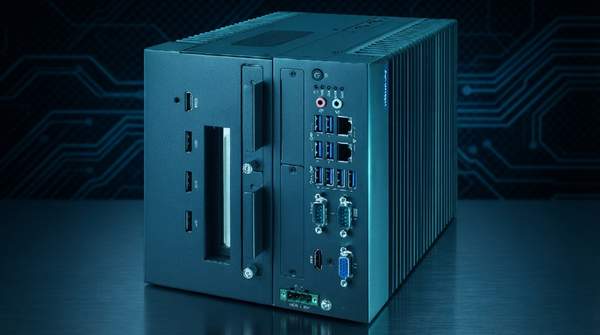
Choosing Between Standard IIoT Gateways and High-Performance Edge Hardware for Industrial AI
Industrial architects must choose between standard IIoT gateways for data pass-through and high-performance edge hardware for real-time AI, based on application needs and latency requirements. The article details how to map application objectives and latency demands to the appropriate edge hardware class for successful industrial AI implementation.

Inside the Real-Time Digital Twin: The Layered Architecture Behind Predictive Maintenance and Where Its Failures Live
A real-time digital twin for predictive maintenance is a layered architecture comprising physical assets, communication, edge computing, and cloud platforms. Understanding which layer is responsible for specific failures is crucial for effective troubleshooting and implementation.

Orbital Computing's Architecture: How Data Processing Works in Space
Orbital computing moves data processing from terrestrial facilities into space, placing powerful servers aboard satellites to process data directly where it's collected. This architecture offers solutions to Earth-based constraints like power consumption and data transmission bottlenecks, leveraging space's unique advantages for future digital infrastructure.

Cloud to Edge Orchestration Platforms for Distributed Computing
A new research paper, accepted by the IEEE International Conference on Fog and Edge Computing 2025 , introduces "Swarmchestrate.

Top AI Mini PC with Intel Core Ultra Processors
At COMPUTEX 2026, ECS showcases mini PCs like the LIVA Z15 PLUS, featuring integrated NPU-based AI acceleration.

AI Inference Software Solutions for Edge & Cloud
Continuous Glucose Monitoring (CGM) with Predictive Alerts now forecasts dangerous blood sugar drops 30-45 minutes before they occur.

What Are Edge-Native MoE Serving Engines for AI?
A new generation of edge-native serving engines, exemplified by MoEless, slashes AI inference latency by 43% and operational costs by 84% compared to existing solutions.

How Edge Computing, CDNs, and Cache Servers Work Together
Every internet domain request queries DNS cache servers to resolve IP addresses, a foundational step for real-time experiences, according to AWS.

U.S. Multi-Access Edge Computing Market Poised for Major Growth
The U.S. multi-access edge computing (MEC) market, currently valued at USD 1.88 billion, is projected to surge to USD 43.89 billion by 2033, according to Grandview Research . This more than 23-fold in

Viasat Drives Cloud Computing Evolution in Industrial IoT AI
In remote industrial sites, Viasat's new Tactical Mission Fabric (TMF) intelligently routes data across satellite and terrestrial networks while processing AI insights locally.

Cisco and NVIDIA's AI Factory Now Deploys Secure Infrastructure to the Edge
Ransomware attacks on the telecom sector are projected to nearly quadruple from 2022 to 2025, a 275% increase, revealing the critical vulnerability of the very infrastructure AI relies upon, according

Top 5 Cloud Computing Trends for Business Growth in 2026
Global cloud spending is projected to hit $679 billion in 2024, yet cloud data breaches cost an average of $4.

Edge Computing's Role in Enhancing SaaS Architecture
Edge computing extends cloud capabilities to the network's edge, processing data closer to its source to enhance SaaS architectures by reducing latency, improving performance, and enabling real-time operations. This distributed model offers significant benefits for SaaS platforms, addressing challenges like bandwidth constraints and data sovereignty.